 Български
 Русский
 English
 Bahasa Indonesia
 Bahasa Malay
 ไทย
ไทย Español
 Deutsch
 Français
 Tiếng Việt
 中文
中文 বাংলা
বাংলা हिन्दी
 Čeština
 Українська
 Română

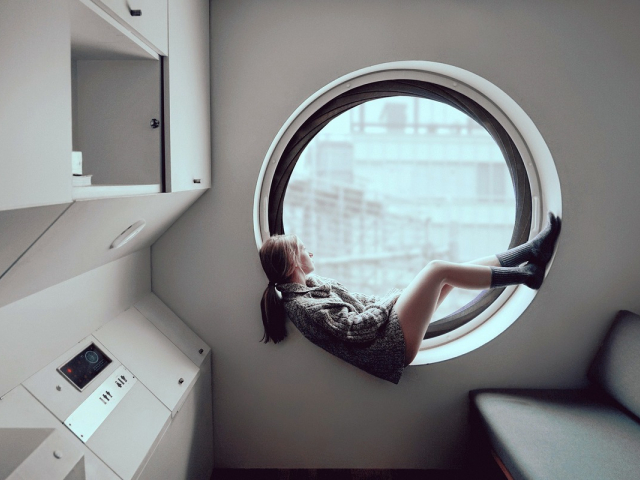
Microverse geometry
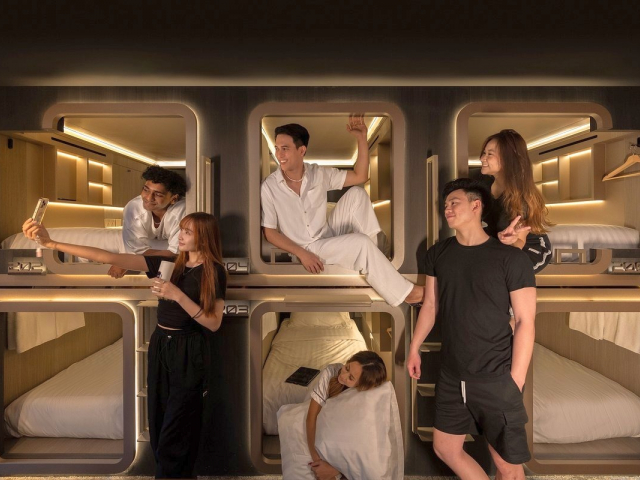
The space within these modern capsules is meticulously calculated down to the millimeter. There is no room for unnecessary items: transformer beds fold away into walls with a simple motion, fold-up tables serve as both kitchen and workspace, and storage systems are hidden beneath the floor. Asian architecture has turned spatial constraints into a cult of absolute ergonomics. The limited space no longer feels oppressive. Instead, it provides a paradoxical sense of security. The metropolis with its noise and throngs of people remains outside, while a perfect, controlled microenvironment reigns inside the capsule.
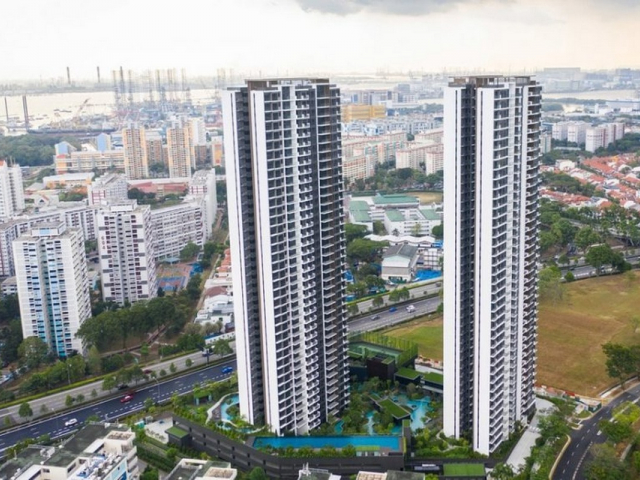
Hive architecture
From the outside, the residential complexes of this new era in Hong Kong or Seoul resemble colossal beehives or server racks, with human bodies replacing processors. Thousands of identical glowing cells form massive vertical hives. Inside, there are laundries, water filtration systems, and powerful energy generators to provide uninterrupted power for AI servers. Hive architecture maximizes urban resource efficiency. Humanity is physically compacting, transforming into a giant living supercomputer, where each resident occupies their designated port within the vast metropolis matrix.
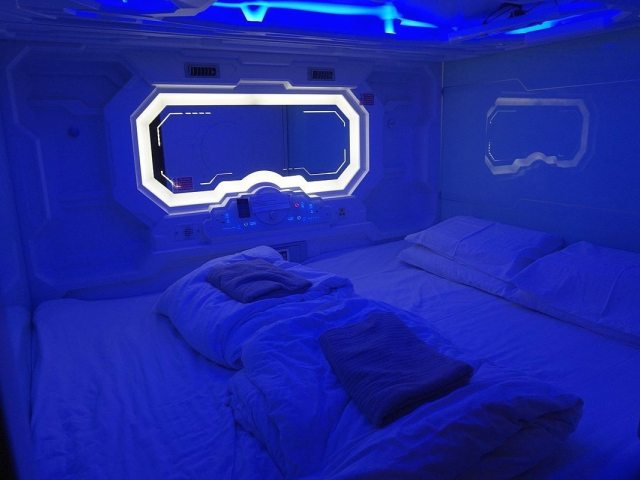
Neon windows with “panoramic views”
In Tokyo’s smart micro-apartments, real windows are often absent or overlook the blank wall of a neighboring high-rise. They have been replaced by ultra-thin OLED panels spanning entire walls. These screens display high-resolution images chosen by the resident, such as rain falling in an autumn forest. The screen has transcended its role as merely a television. It has become the main architect of the space, creating the illusion of a limitless window to the world. The imagery is so realistic that the brain readily believes in the digital landscape, completely forgetting the stifling reality behind the concrete partition.

Tamagotchi 2.0
Owning a real dog or cat in a three-square-meter capsule in Hong Kong is physically impossible and prohibited by rental rules. As a result, many capsule residents are turning to virtual pets. Holographic cats and digital dogs frolic on screen walls and interact with their owners through augmented reality glasses. They nuzzle, respond to voices, and demand attention, providing humans with the same happiness hormones as real animals. Plus, these "pets" do not need to be walked in the rainy metropolis and will never get sick, serving as an eternal source of safe emotional attachment.
AI as perfect housemate
Within a five-meter capsule, a person is never truly alone. Their daily life and emotional state are managed by an integrated artificial intelligence. The personalized AI assistant regulates the microclimate and lighting and tracks the owner’s biological rhythms via sensors in the mattress. It will timely order food delivery, play the owner’s favorite track to match their mood, and engage in conversations on any topic. This algorithm serves as an ideal companion: loyal and always agreeable. However, it is unlikely to fully satisfy the need for complex human relationships.
Escape to metaverse
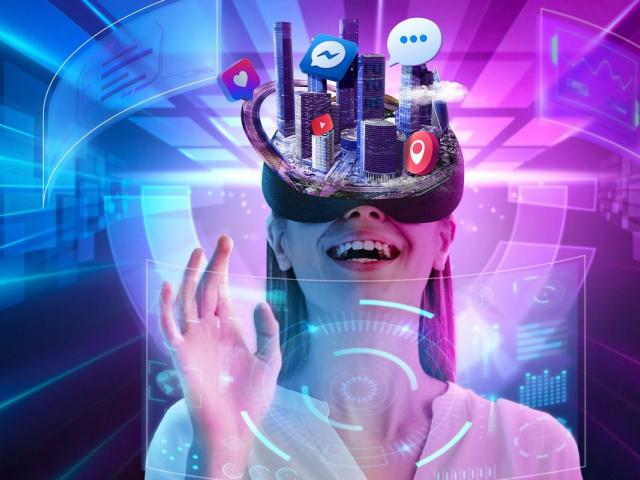
The physical constriction of the capsule is instantly offset by simply donning a lightweight virtual reality headset. In the digital realm, a three-meter resident transforms into the owner of a luxurious villa by the ocean or a cosmic castle. Zoomers and Alphas spend much of their free time in these metaverses. Their real bodies remain lying on narrow couches in Seoul, while their digital avatars live vibrant, eventful lives. The virtual world offers such visual expanses and freedom that returning to reality becomes a frustrating necessity.
Alphas choose silence
The Alpha generation, born with smartphones in hand, completes this urban evolution. For them, the physical world with its sprawling homes, family dinners, and social visits seems excessive and exhausting. They genuinely do not understand why anyone would pay for extra square footage when all the pleasures of life can be accessed through a quality neural interface. Capsule futurism is not a temporary real estate crisis but a transformation of society. Humanity consciously chooses silence, tranquility, and minimalism in physical existence, fully immersing itself in boundless digital comfort and turning real cities into desolate monuments of the past.