 English
 Русский
 Bahasa Indonesia
 Bahasa Malay
 ไทย
ไทย Español
 Deutsch
 Български
 Français
 Tiếng Việt
 中文
中文 বাংলা
বাংলা हिन्दी
 Čeština
 Українська
 Română



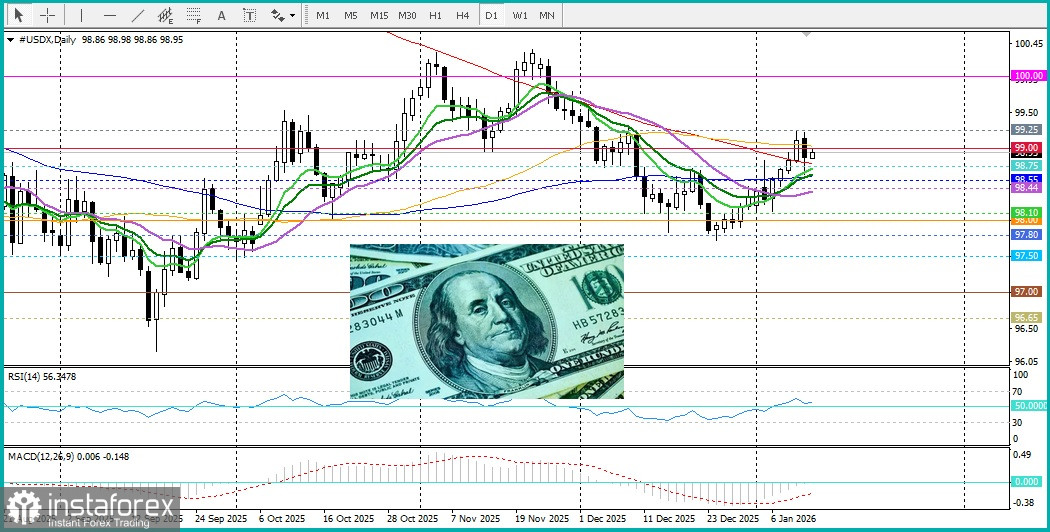
Today, the Japanese yen weakened sharply, despite the lack of strong global demand for the US dollar.
Reports that Japanese Prime Minister Sanae Takaichi may call early parliamentary elections in the first half of February have fueled expectations of a possible expansion of fiscal stimulus. Such measures would likely aim to strengthen the ruling coalition's position in parliament and maintain political stability. These speculations are adding pressure on the yen, as markets assess the likelihood of additional economic support measures.
At the same time, rising geopolitical tensions with China are creating new risks for Japan's industrial sector. Last week, Beijing imposed a ban on exports of certain rare earth metals to Japan following an escalation in diplomatic tensions over Taiwan. This decision threatens supply chains for key components used by Japanese manufacturers and increases uncertainty surrounding the future of trade relations between the two countries.
Despite the relatively hawkish stance of the Bank of Japan, investors remain uncertain about the timing of the next interest rate hike. Combined with sustained risk appetite, this limits demand for the Japanese yen as a safe-haven asset.
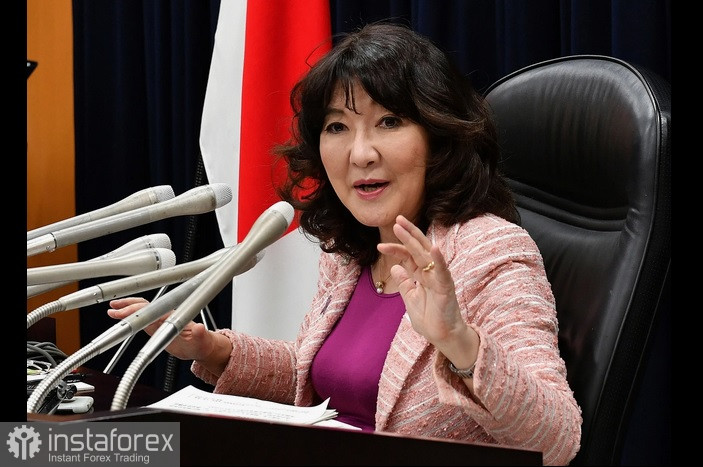
An additional source of pressure came from Finance Minister Satsuki Katayama, who stated on Tuesday that she is concerned about the one-sided weakening of the yen. She noted that she had already discussed the issue with US Treasury Secretary Scott Bessent, emphasizing that there are limits to how much the national currency can weaken.

On the other hand, concerns over the independence of the US Federal Reserve have resurfaced. On Monday, reports emerged about the launch of a criminal investigation into Fed Chair Jerome Powell. In response, Powell called the investigation unprecedented and stated that it was initiated due to President Donald Trump's dissatisfaction with the Fed's refusal to accelerate interest rate cuts, despite public pressure.
This situation is restraining US dollar strength, although the latest labor market data released on Friday supported expectations of a more cautious approach by the Federal Reserve toward policy easing. Markets are currently pricing in two potential Fed rate cuts in 2026, while the Bank of Japan continues on a path of gradual monetary policy normalization. Last week, BoJ Governor Kazuo Ueda confirmed that the central bank is prepared to continue raising rates if economic and price trends align with its forecasts.
 .
.
This divergence in monetary policy between the two central banks is likely to limit the upward potential of the USD/JPY pair. Investors may therefore adopt a wait-and-see approach, awaiting additional signals regarding the future trajectory of Fed interest rates.
In the coming days, US inflation data—particularly today's release of the Consumer Price Index (CPI)—will serve as a key market driver. These figures may influence short-term US dollar dynamics and determine the direction of the USD/JPY pair.
From a technical perspective, oscillators remain positive, confirming the pair's bullish bias. However, it is worth noting that the Relative Strength Index (RSI) is approaching overbought territory, signaling the possibility of an imminent correction or consolidation. The pair has found solid support at the psychological level of 158.00, while resistance stands at 158.86. A break above this level could open the way toward the 2024 highs.