 English
 Русский
 Bahasa Indonesia
 Bahasa Malay
 ไทย
ไทย Español
 Deutsch
 Български
 Français
 Tiếng Việt
 中文
中文 বাংলা
বাংলা हिन्दी
 Čeština
 Українська
 Română



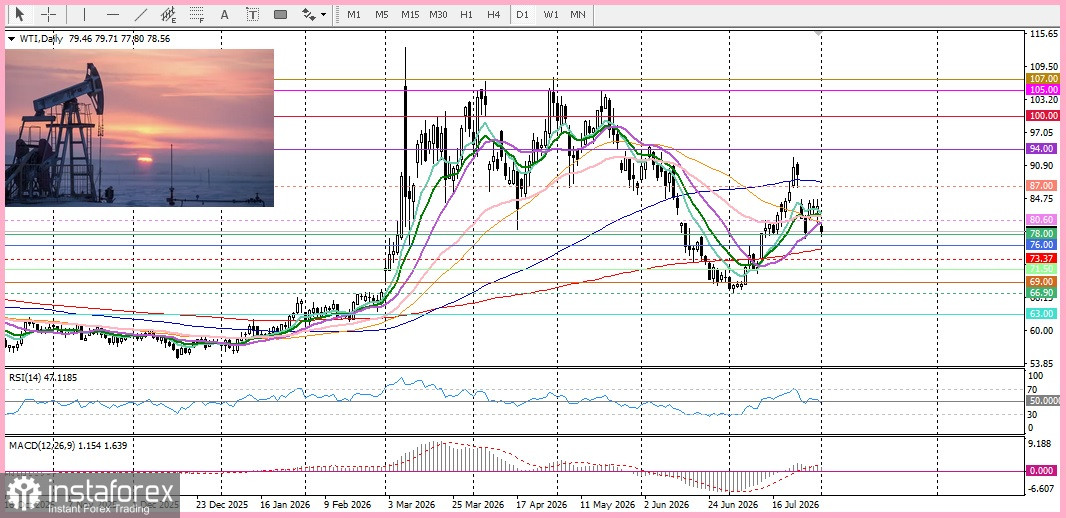
On Monday, EUR/USD reached a new high for August, advancing to the 200-day EMA and 100-day SMA resistance levels. The pair appears poised for further gains amid broad-based weakness in the U.S. dollar.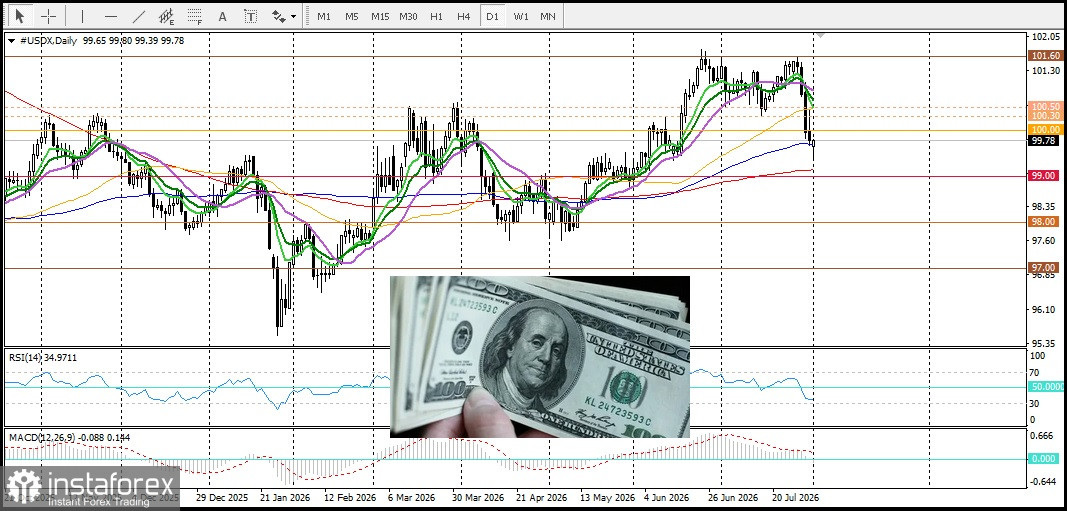 The U.S. Dollar Index (DXY), which tracks the dollar's performance against a basket of major currencies, continues to decline after reaching last year's high. The drop comes as falling oil prices prompt investors to reassess their expectations for further monetary policy tightening by the Federal Reserve. U.S. President Donald Trump announced that he intends to limit military operations against Iran, stating that regional allies have reached conditions for ending the five-month conflict. This decision, together with OPEC+'s announcement on Sunday to increase oil production in September, has placed significant downward pressure on oil prices.
 According to Elias Haddad of Brown Brothers Harriman, the recent rally in the U.S. dollar is losing momentum. The bank believes that "the dollar's rally that began in May has likely run its course, and the DXY could return to the 96.00–100.00 range."
In addition, Gross National Product (GNP)—which measures the economic activity of U.S. residents and businesses, including income earned abroad—suggests that the previous support for the U.S. dollar from solid domestic economic activity is being undermined by concerns over current policy. In particular, market concerns center on the possibility that Federal Reserve Chair Kevin Warsh may be unable to effectively maintain a sufficiently restrictive monetary policy stance to contain inflation, increasing the risk that the Fed could fall behind the curve in addressing inflationary pressures.
Furthermore, aggressive short-covering in the Japanese yen has also contributed to the weakening of the U.S. dollar. By contrast, the euro continues to receive support from resilient eurozone inflation data, reinforcing expectations that the European Central Bank (ECB) will raise interest rates again in September. This backdrop remains supportive for EUR/USD, as traders await a series of key U.S. macroeconomic releases at the beginning of the month, starting with Monday's ISM Manufacturing PMI, which could provide additional market momentum.
Recent inflation data, together with strong second-quarter 2026 GDP figures, have further strengthened the case for additional monetary policy tightening. Today's data should reinforce expectations of another ECB rate hike in September, as resilient economic growth and slightly stronger price pressures give the central bank room to maintain a restrictive policy stance.
Technical Outlook
From a technical perspective, EUR/USD is consolidating near resistance and attempting to break higher toward the psychologically important 1.1600 level.
However, technical indicators present a mixed picture:
- MACD suggests that bullish momentum is beginning to weaken.
- Relative Strength Index (RSI) remains in positive territory, indicating that buyers still retain the upper hand.
A key support area is now provided by the convergence of the 50-day EMA and the 50-day SMA. However, for the bulls to establish full control of the market, they must secure a decisive break above the 200-day SMA.
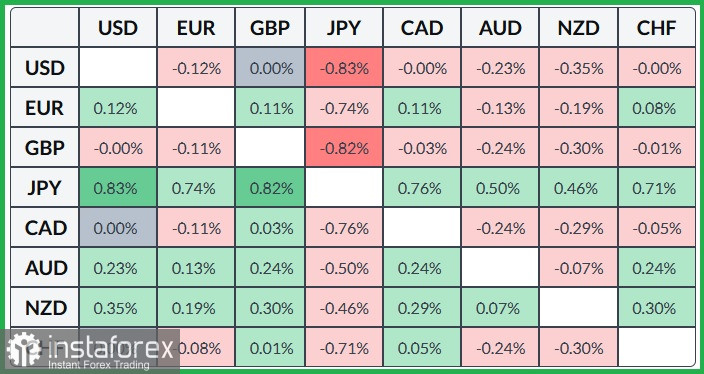
The table below shows today's percentage change in the U.S. dollar against the major currencies. Under the current market conditions, the U.S. dollar is outperforming the British pound.