 English

 Русский
 Bahasa Indonesia
 Bahasa Malay
 ไทย
 Español
 Deutsch
 Български
 Français
 Tiếng Việt
 中文
 বাংলা
 हिन्दी
 Čeština
 Українська
 Română




Gold (XAU/USD) prices started the new week on a positive note. However, the lack of significant follow-through buying suggests that caution is warranted among traders considering opening long positions at current levels.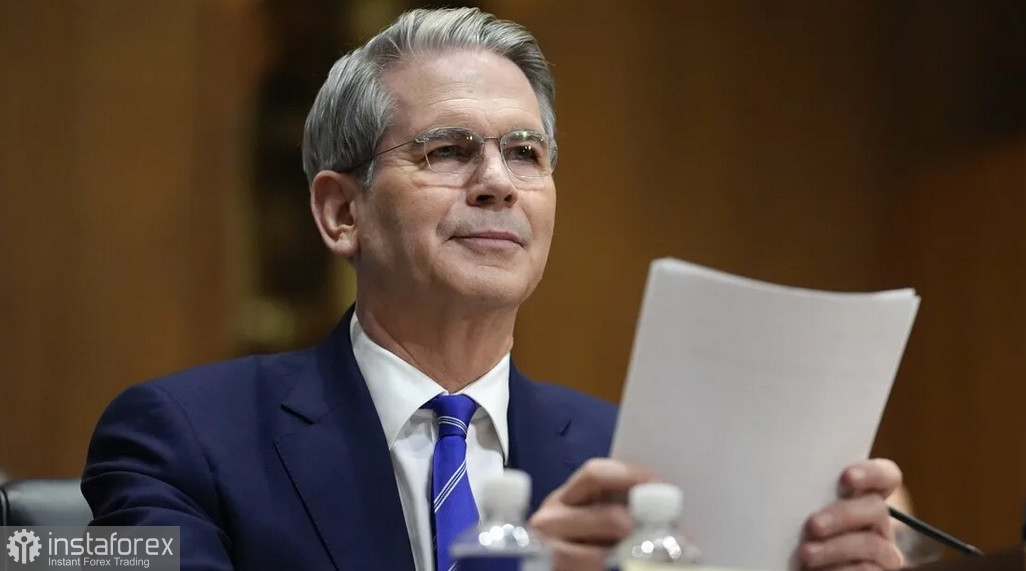 Market participants have somewhat lowered their expectations for aggressive monetary policy tightening by the Federal Reserve (Fed) following US Treasury Secretary Scott Bessent's warning that excessive rate hikes in response to the latest inflation data could increase risks to the US economy. Further declines in oil prices also eased concerns about accelerating inflation. Combined with a sharp decline in equity markets, these developments prompted investors to turn their attention back to traditional safe-haven assets. Against this backdrop, US Treasury yields declined, while the US dollar retreated from its 19-month high, providing some support for the precious metal.
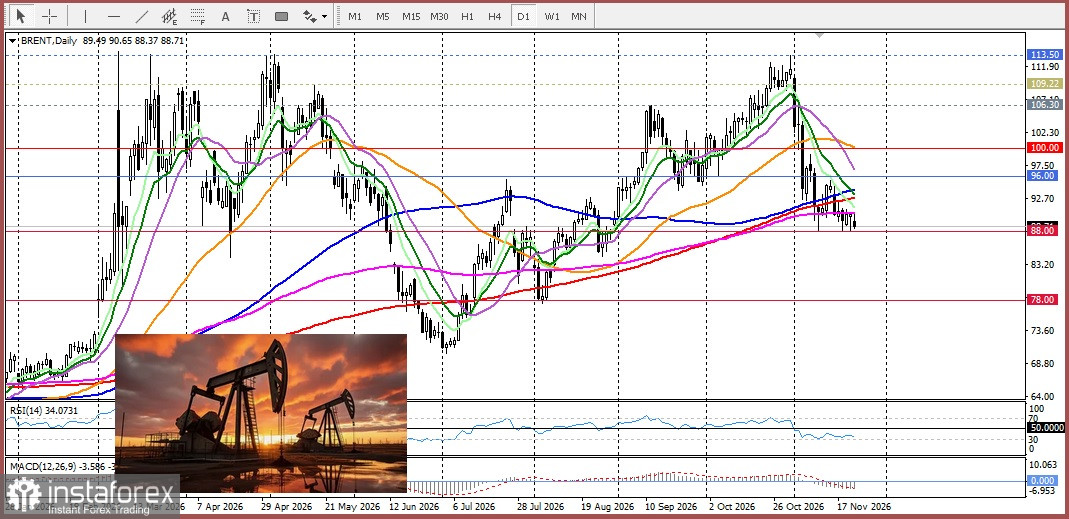 Nevertheless, markets continue to price in a probability of more than 90% that the Fed will raise interest rates at its upcoming December meeting. According to CME Group's FedWatch tool, further monetary policy tightening is also possible in early 2027. This, combined with tensions in the Middle East, supports the US dollar as a safe-haven asset and limits the upward potential of precious metal prices.
On Sunday, US President Donald Trump stated in an interview with Fox News that Washington could resume its confrontation with Iran in the new year if the two sides fail to reach an agreement. Meanwhile, the US naval blockade of Iranian vessels remains in place.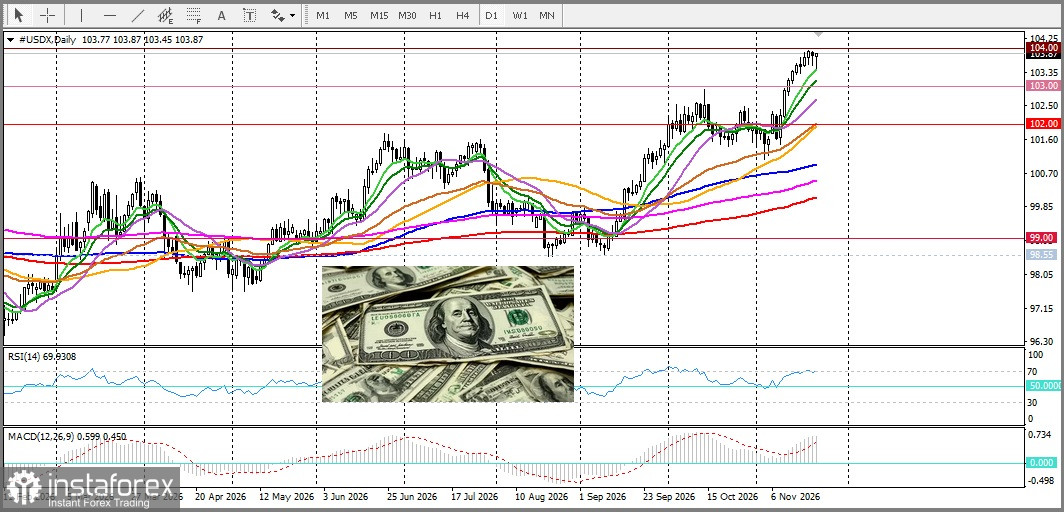 At the same time, Iran's Islamic Revolutionary Guard Corps (IRGC) reported that it had destroyed a Predator drone over the Strait of Hormuz and attacked radar systems belonging to the US air defense network in Bahrain. Tehran has significantly intensified its activities in recent days, with reports of attacks on tankers in the Strait of Hormuz and the downing of US drones. In addition, the Iran-aligned Houthis in Yemen have continued to target Saudi Arabia's energy infrastructure. These developments are maintaining a geopolitical risk premium in market prices and could prevent further declines in the US dollar.
Traders are likely to avoid opening aggressive positions in anticipation of a sharp move in either direction and instead wait for the US Personal Consumption Expenditures (PCE) data due on Wednesday. This report could provide further guidance on the Fed's future policy decisions. Meanwhile, preliminary Purchasing Managers' Index (PMI) readings could provide additional support for gold as early as today, Monday. Given the current fundamental environment, it would be prudent to wait for a sustained return of buying interest before concluding that a bottom has formed in XAU/USD.
In the short term, the precious metal retains a bearish bias, with its price trading below all key moving averages on the daily chart. The Relative Strength Index (RSI) is approaching the exit from oversold territory, which had indicated the possibility of a corrective rebound. However, the indicator remains below the neutral 50 level, pointing to weak buying interest despite its gradual recovery from oversold conditions.
The MACD is also in negative territory, confirming the prevailing bearish momentum.
If the recovery continues, the first major obstacle for gold will be the area around the key $3,700 level. The 9-day Exponential Moving Average (EMA) will pose the next resistance. To ease bearish pressure, gold will need to break above the 20-day Simple Moving Average (SMA). On the other hand, the previous local low near $3,502 could serve as a significant support level. A break below this level would generate a new bearish signal.