 Deutsch
 Русский
 English
 Bahasa Indonesia
 Bahasa Malay
 ไทย
ไทย Español
 Български
 Français
 Tiếng Việt
 中文
中文 বাংলা
বাংলা हिन्दी
 Čeština
 Українська
 Română

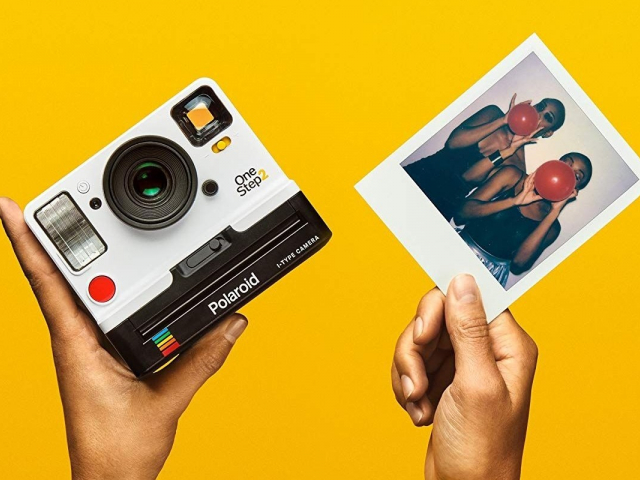
Polaroid — reality verifier in deepfake era
As neural networks become increasingly successful at generating any image in seconds, physical photography has transformed into a luxury item. Balancing on the brink of extinction for decades, Polaroid has emerged as the ultimate verifier of reality. The company has successfully integrated modern technology into its instant cameras, making them part of the smartphone ecosystem while preserving the key chemical development process that makes Polaroid pictures evidence of events that have occurred in the physical world.
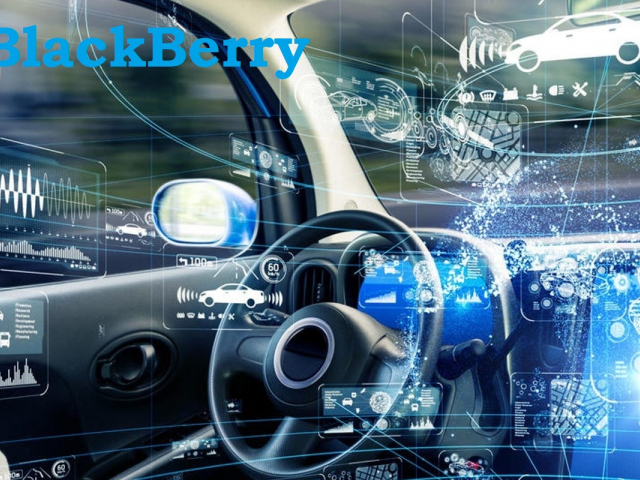
BlackBerry — from keypads to invisible fortress
The story of BlackBerry is a classic example of successful mutation. After losing the smartphone market to the iPhone, the company did not disappear but instead morphed into an "invisible giant" in cybersecurity. Today, the iconic BlackBerry logo is no longer seen on devices in the hands of business people, yet it is embedded in the software code of millions of autonomous vehicles, medical systems, and government servers. The company has monetized its reputation as "the most secure brand," positioning itself as a foundation for the Internet of Things.
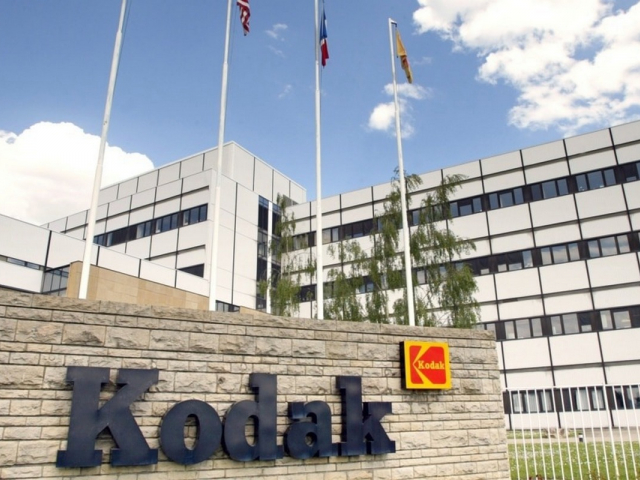
Kodak — chemical renaissance and magic of film
Once synonymous with photography, Kodak was nearly erased from existence by the digital revolution. However, the company is now experiencing a remarkable resurgence driven by two factors: the revival of analog media and diversification into pharmaceuticals. While Generation Z snaps up Kodak Gold film rolls, the corporation leverages its vast chemical laboratories to produce active pharmaceutical ingredients. This transformation from a photo giant to a biochemical empire has allowed the brand to not only survive but to become a strategically significant player in the US economy.
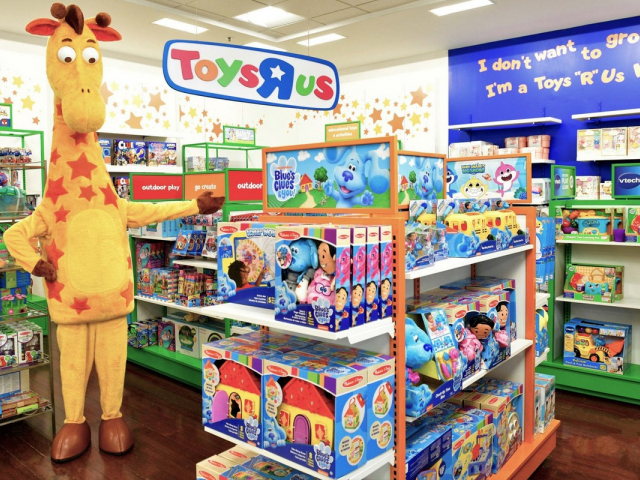
Toys "R" Us — return of physical experience
The bankruptcy of Toys "R" Us at the end of the 2010s seemed to signal the end of an era for physical toy stores. However, Geoffrey the Giraffe is once again welcoming shoppers, now in a new "store within a store" format alongside flagship interactive centers. The brand has been revived due to the realization of a simple truth: buying toys is not just a transaction but an emotional experience that cannot be fully replicated online. New owners have transformed Toys "R" Us into hybrid spaces, where children can test robots and immerse themselves in VR worlds, while parents can indulge in nostalgia.
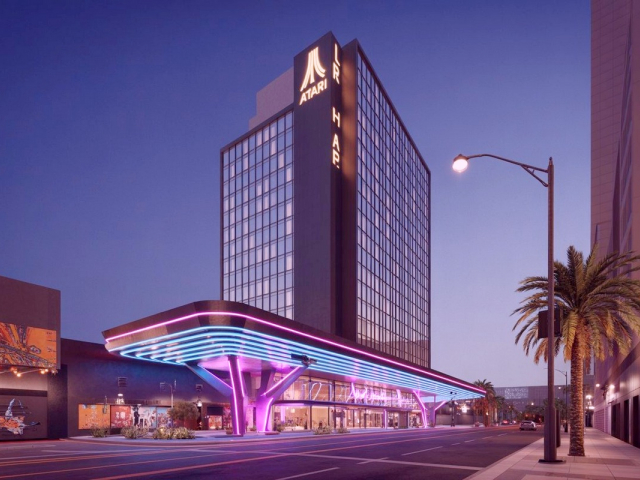
Atari — hotels, blockchain, and pixel aesthetics
The legendary brand of the 1980s, Atari, represents an eclectic mix of gaming heritage and futuristic ambition today. Having abandoned efforts to compete with PlayStation in the console arena, the brand has ventured into thematic real estate and digital assets. The modern Atari is a network of esports hotels worldwide, where architecture is inspired by classic games, and all transactions occur via proprietary tokens. The company has successfully capitalized on its pixel aesthetics, evolving into a lifestyle brand.
Nokia — industrial metaverse and 6G
If you think of Nokia as the maker of indestructible phones with the game "Snake," you are stuck in the past. Today’s Nokia is one of the top three global architects of sixth-generation (6G) communications networks and the industrial Internet of Things. The brand has completely exited the consumer segment, focusing instead on creating "digital twins" for factories and ports. This revival has unfolded in the shadows, out of public view, yet it is Nokia's technologies that enable autonomous logistics hubs and augmented reality systems for surgeons.